Tools & workflows
Build a review checklist inside a document template
A review checklist should catch predictable omissions at the right moment without turning every document into a form-filling exercise.
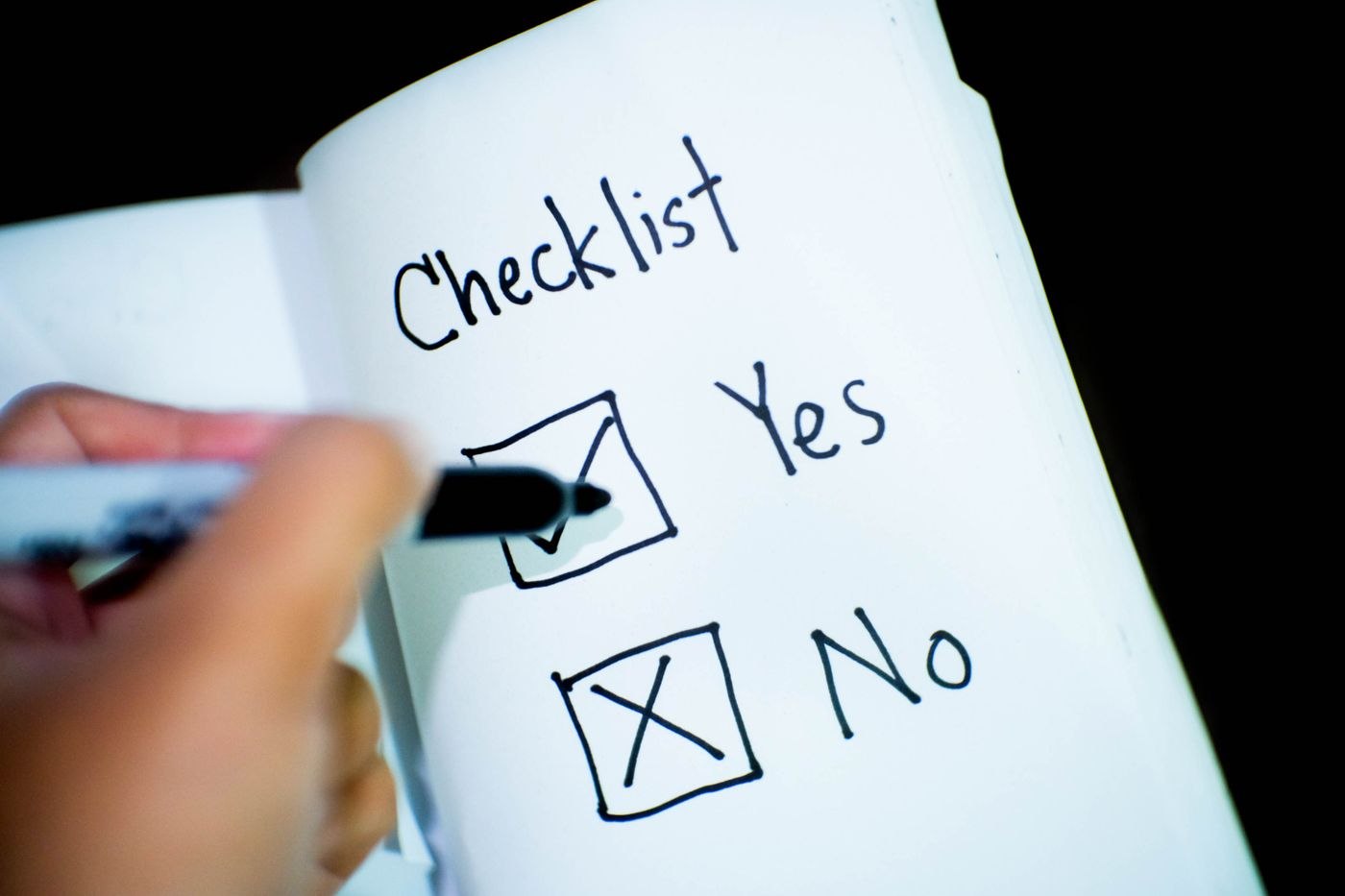
The useful checklist asks questions that someone can answer by examining the work. ‘Is this excellent?’ invites an opinion. ‘Does each quoted figure have a source the reviewer can open?’ produces a checkable result. Build the template around recurring omissions, not a collection of reassuring adjectives.
Use the last few corrections as evidence
Look at several recently completed documents. Identify the problems that reached the final review: a missing link, an undefined term, a claim without evidence or an action with no owner. Choose a small number that a checklist could realistically catch. A deep strategic disagreement is not solved by adding another tick box.
Place the checks where they belong in the workflow. A writer can verify that sources are included before handing over a draft. A subject specialist can confirm factual accuracy. A publisher can check the final destination and working links. Asking one reviewer to certify everything encourages automatic ticking, especially when they lack the information to judge a particular item.
Allow an explicit not-applicable answer with a short reason where needed. A document with no quotations does not need a quotation-approval check, but an unchecked box should not silently mean either ‘not relevant’ or ‘not done’. Keep unresolved issues separate from completed checks so the next person can see what remains.
Keep guidance beside the difficult questions
Add a compact example to any check that people interpret differently. For a date check, explain that the reader should be able to identify the year and relevant time zone where necessary. For an evidence check, distinguish an accessible original source from a link to another summary. Remove these explanations from the published document; they are working instructions for the team.
Try the template on two unlike documents and ask reviewers which questions helped. Delete checks that merely repeat other controls or produce no useful decision. Add a revision date and one owner for maintaining the template, so people do not keep unofficial copies with different requirements. A short checklist that catches a real omission is worth more than a long one completed without attention.