Brand communication
Separate a brand promise from a slogan
A slogan is an expression; a promise is an expectation the business must be able to meet.
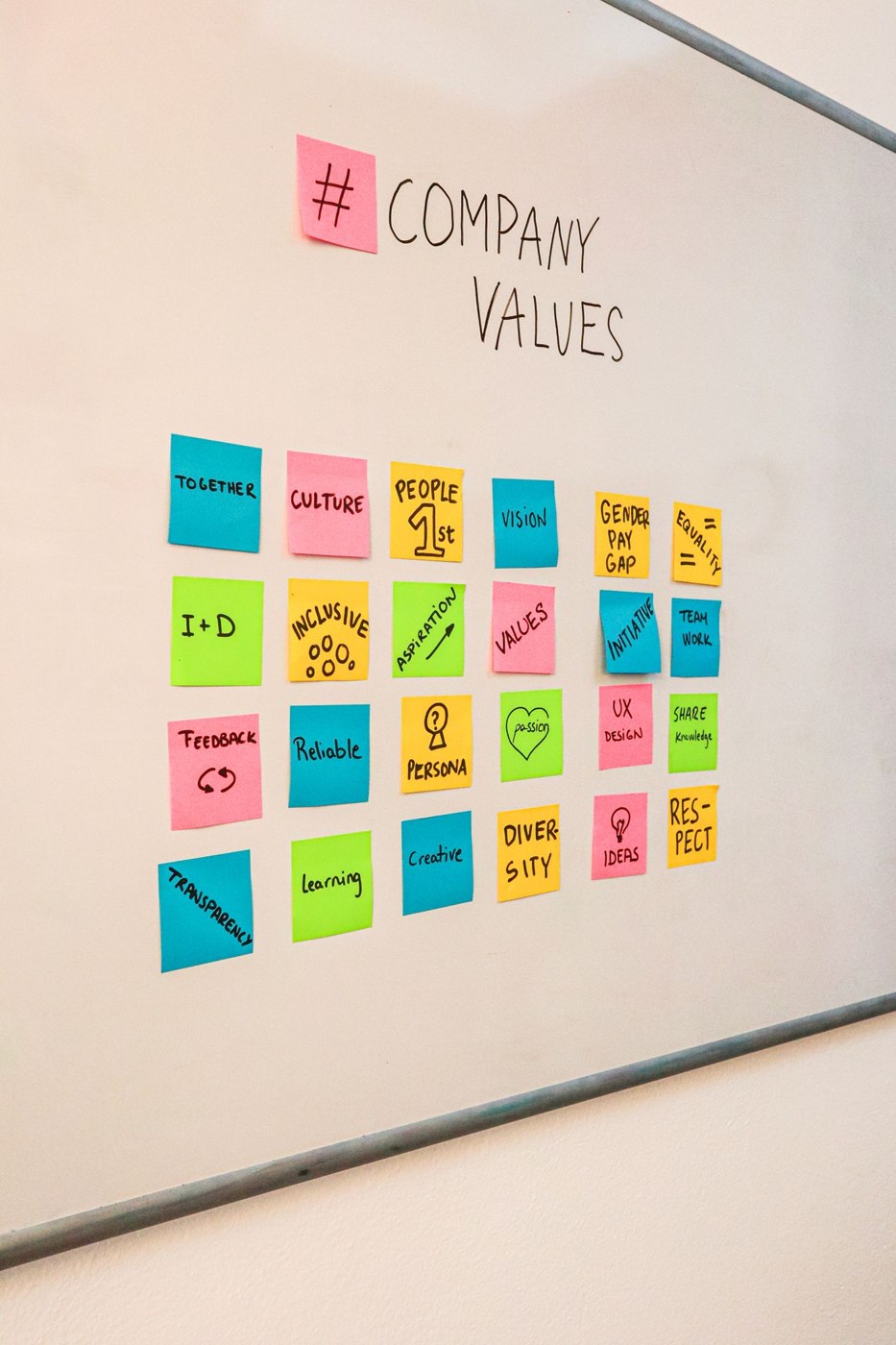
Imagine a repair business using the line ‘Back to your day’. It may be a memorable slogan, but it leaves important questions unanswered. How soon will the repair happen? What happens if a part is unavailable? Which repairs are covered? A brand promise needs a firmer connection to the customer's experience than the slogan alone provides.
Start by writing the expectation without trying to make it elegant. In this hypothetical business, the promise might concern giving an assessment and an estimated completion time before work begins. That is a different proposition from guaranteeing every repair on the same day. The distinction matters because staff can act on one statement while customers may infer something else from the other.
Find the operational commitment
Ask what the organisation does repeatedly to support the promise. There may be a documented handover, an included review, a defined service boundary or a reliable way to explain delays. If the only support is that the team works hard, the promise needs more work. Effort is not an outcome a customer can readily verify.
Walk through an awkward case rather than only the ideal one. A supplier is late; a customer provides incomplete information; a problem turns out to be outside scope. Can the promise still be met? Sometimes the useful commitment is how the business communicates uncertainty rather than a guarantee that uncertainty will disappear.
Let the slogan do a smaller job
A slogan can signal character, help recognition or summarise an idea. It does not have to contain the entire service explanation. Place concrete information nearby so the memorable line is not carrying facts it never states. A headline and supporting sentence can work together without turning into a paragraph of qualifications.
When testing a proposed line, ask people what they believe it means in practice. Do not merely ask whether it sounds appealing. If they consistently expect a service you do not provide, the wording is creating the wrong expectation even if every word is technically defensible. Change the line or make the surrounding explanation more direct.
Keep the operational promise in training material and service briefs. Use the slogan selectively where it helps recognition. Repeating a short phrase everywhere cannot compensate for inconsistent delivery, while a well-understood promise can guide decisions even when the slogan never appears. This separation gives both elements a clearer purpose.