Content & copywriting
Plan a content calendar around capacity
Build a calendar from the work your team can complete, including review and maintenance, rather than from an ideal publishing frequency.
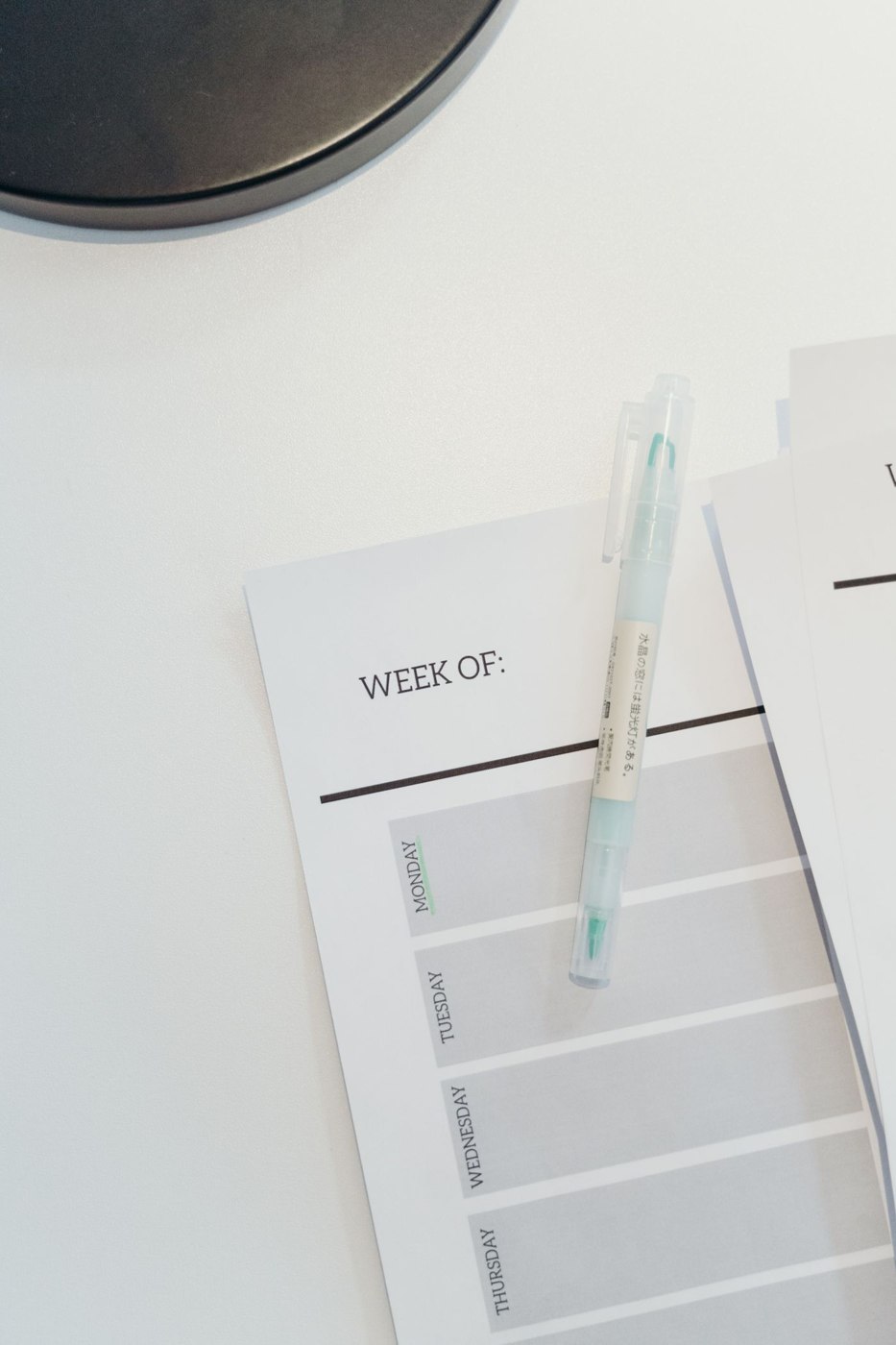
A calendar with three posts every week looks organised until the person writing them also has to answer customers, prepare proposals and update old pages. Publishing capacity is not the number of empty slots in a spreadsheet. It is the time and attention available across the whole production process.
Count the hidden work
For a typical article, include research, drafting, editing, factual review, image preparation, publishing and checking the live result. The person who writes the first draft may not control all of these stages. A plan that ignores review capacity can build a queue of finished drafts that never become finished pages.
Look at a few recent pieces and note where time actually went. Do not treat the quickest item as the standard for everything. A short announcement, an interview-based article and a technical guide require different effort. Use broad effort estimates to begin, then refine them from experience rather than pretending to predict every hour accurately.
Make room for maintenance
Reserve space for updating existing information, correcting errors and responding to genuinely relevant changes. These tasks are part of publishing, not interruptions to it. If every available hour is assigned to new content, maintenance will either be neglected or repeatedly break the plan.
In an illustrative two-person team, one substantial article and one shorter update in a month may be more realistic than weekly long-form publishing. The correct number depends on the actual workload. A smaller schedule is not inherently better; it is better when it allows the team to complete useful work to the required standard.
Plan different levels of certainty
Keep near-term items detailed and later ideas provisional. A piece due soon needs a defined question, source material and a realistic review route. A topic three months away may need only a clear hypothesis and a reason it matters. Overplanning distant copy can create false certainty and make sensible changes feel like failure.
Mark dependencies where they exist. An article based on an interview cannot be treated as ready to draft before the interview is arranged. A launch announcement may depend on a confirmed date. Use the calendar to expose these conditions rather than hiding them behind optimistic publication dates.
Decide what moves when capacity changes
Agree which kinds of work take priority: correcting inaccurate information, essential customer notices or a committed publication, for example. When a new urgent item appears, move or remove something else explicitly. Do not silently add it to a full week and expect the same quality from less time.
Review missed dates for causes rather than blame. Repeated delays at factual review suggest a different problem from unclear briefs or overly ambitious topics. Adjust the process or scope accordingly. A calendar should become more accurate as the team learns how its work happens.
Keep the final view simple enough to use. A title, purpose, status, planned date and key dependency may be enough for a small operation. Extra columns are useful only when they support a real decision. The calendar earns its place by helping the team finish and maintain content, not by making a crowded schedule look orderly.