Content & copywriting
Give a product description useful detail
Give buyers the specifications, use conditions and distinctions they need to decide whether a product fits their task.
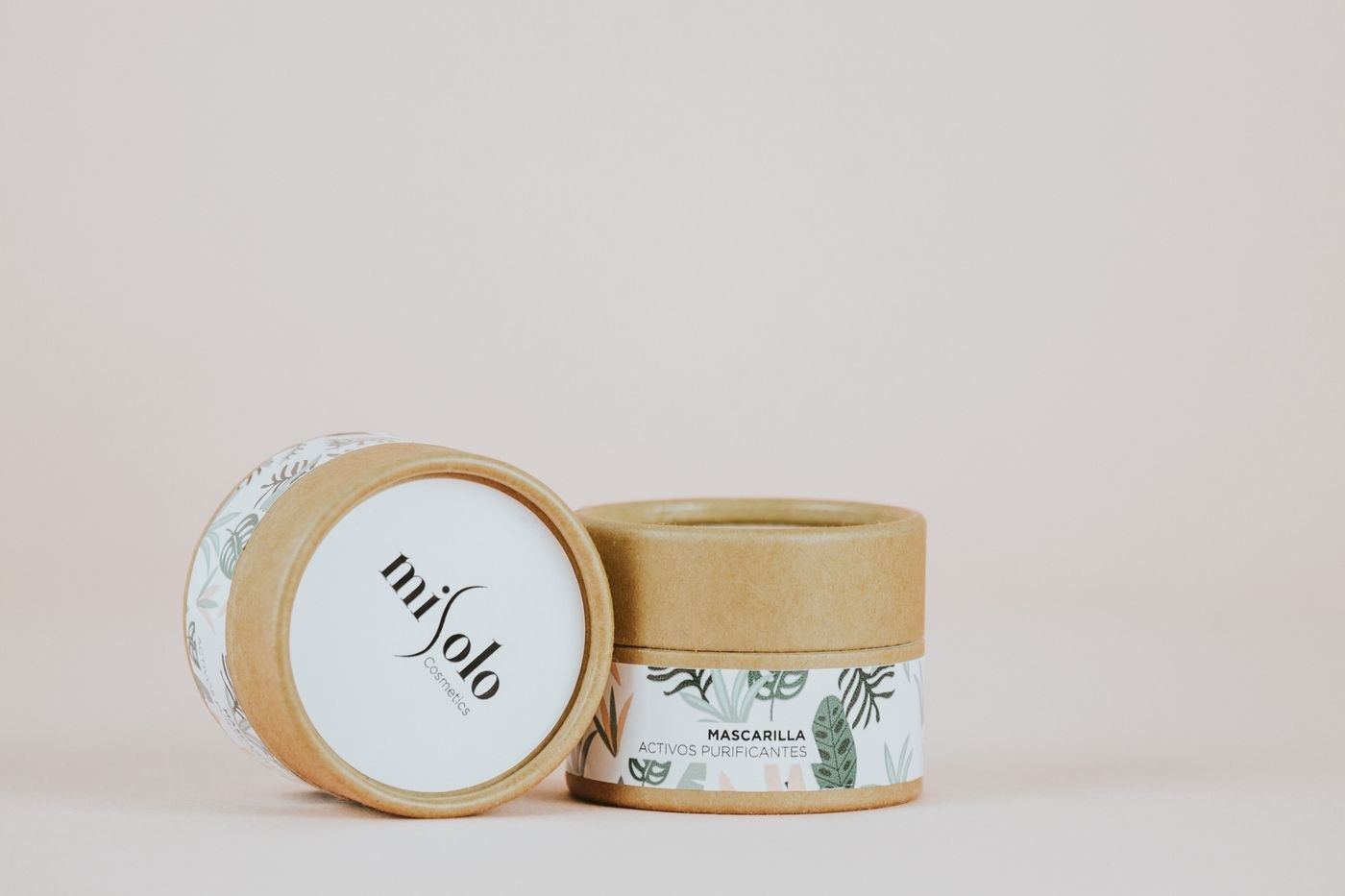
A product description should do more than rename the item and call it stylish. A buyer cannot pick it up, inspect the edge or compare its size with something nearby. Useful copy supplies the details that make those judgements possible.
Begin with the likely uncertainty
For a notebook, dimensions, page type and binding may matter. For a storage box, internal capacity and opening size may be more useful than a vague statement about versatility. Identify the characteristics that change whether the item works for its intended use. Do not assume the longest specification list is automatically the most helpful.
Explain unfamiliar specifications in context without changing their meaning. If a measurement describes the outside rather than the usable interior, label it clearly. Keep units consistent and distinguish variants. A buyer should not have to infer whether a photograph shows the size currently selected.
An invented desk-lamp description might state the dimensions, power arrangement and controls, then explain where the adjustment occurs. It should not promise reduced eye strain or improved productivity without appropriate support. Describing the actual mechanism is more reliable than attaching a broad wellbeing claim.
Write around the photograph
Use words for information the image cannot establish reliably: materials, compatibility, included components and relevant limitations. Do not make the entire description a list of visible colours while omitting the details needed to use the product. Where accessories are shown but not included, say so prominently.
Keep variants distinct in both wording and imagery. A general paragraph can introduce the range, but the selected item's specifics should be clear. Avoid reusing a description that contains a feature absent from one version. Small inaccuracies can matter more to the buyer than the overall tone.
Replace decorative praise with a concrete detail wherever possible. ‘Made for everyday use’ is less informative than an accurate explanation of cleaning or storage requirements. Do not invent durability claims because the product looks robust in a photograph.
End with a factual check against the product information and a practical check against the buying task. Can someone identify the item, assess fit, understand what arrives and see any important condition? Those answers give a description substance without requiring a long sales story.