Content & copywriting
Choose when a page needs less copy
Cut copy when it repeats, delays or competes with the reader's task—not simply because the page looks long.
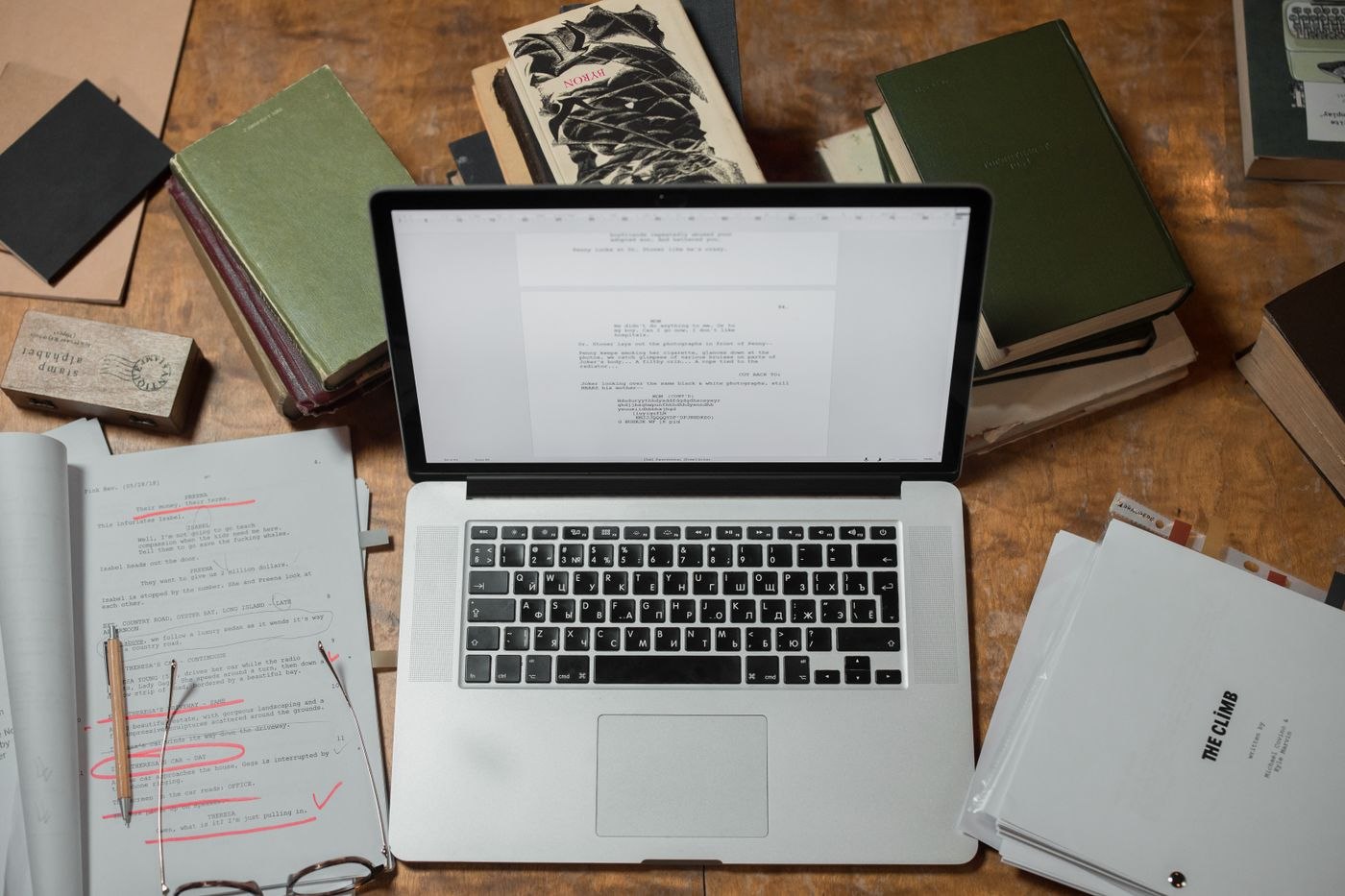
A page does not need fewer words just because someone has to scroll. It needs fewer words when those words fail to help. A detailed explanation can be appropriate for a complex decision, while a short page can still contain empty repetition.
Look for duplicated work
Read the headline, introduction and first section together. Are they making the same claim three times? Keep the strongest version and use the freed space for information the reader does not yet have. Repeated assurances of quality rarely become more useful through repetition.
Then inspect paragraphs that begin with broad scene-setting language. If a service page opens with a history of the industry before naming the service, it may be delaying orientation. Remove background that does not affect the immediate decision, or move it to a separate article where it has a genuine purpose.
Distinguish detail from friction
Important conditions, specifications and limitations are not clutter simply because they complicate the offer. Cutting them may make the page shorter but the decision less informed. Instead, organise them with clear headings and place them where the relevant question arises.
In an imagined workshop page, the format, date, intended level and booking conditions all help a prospective attendee. Three paragraphs explaining how inspiring the experience will be may not. The right cut follows the task, not an arbitrary target length.
Some excess copy compensates for a design or product problem. A confusing choice between packages may need clearer naming and scope, not another explanatory paragraph. A long instruction beside a button may indicate that the button label or process is misleading. Fix the underlying issue where possible.
Test what remains
After cutting, ask someone to identify the offer, assess a relevant scenario and explain the next step. If necessary information has disappeared, restore it in a clearer form. If the task becomes easier, the edit has improved the page even if a few sections remain substantial.
Check connections after deletion. Pronouns, references to earlier sections and transitions can become orphaned. Remove promises that the shortened page no longer fulfils. The final version should feel deliberately shaped, not simply reduced. Less copy is useful when it leaves a more complete and understandable answer, not when it merely leaves more empty space.